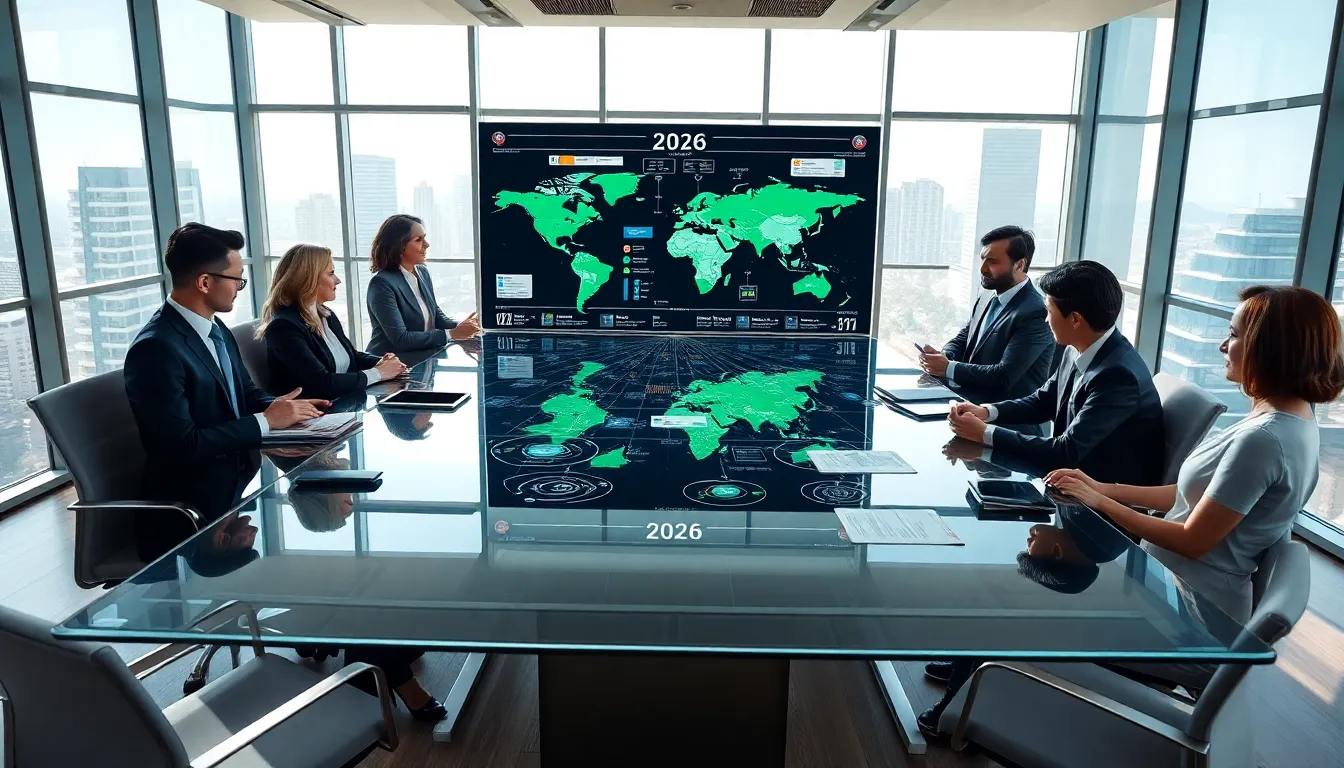
A world report is a comprehensive document that analyzes global trends, challenges, and developments across specific sectors. These reports provide data-driven insights on topics like health, economics, human rights, and education. Governments, researchers, and policymakers rely on world reports to make informed decisions. International organizations such as the World Health Organization, the United Nations, and the World Bank publish world reports annually or periodically. Each world report serves a distinct purpose, some track progress toward global goals, while others highlight emerging crises. Understanding what a world report is and how it functions helps readers interpret global data more effectively. This article explains the purpose, types, and impact of world reports in a clear and accessible way.
Table of Contents
ToggleKey Takeaways
- A world report is a comprehensive document that analyzes global trends, challenges, and developments across sectors like health, economics, human rights, and education.
- Major organizations such as the WHO, United Nations, World Bank, and Human Rights Watch publish world reports to inform policy decisions and raise public awareness.
- World reports serve multiple purposes: documenting trends, identifying regional gaps, guiding resource allocation, and bringing attention to overlooked global issues.
- Policymakers, journalists, researchers, and advocates all rely on world reports to support evidence-based decisions and contextualize global challenges.
- Access world reports for free through official organization websites, and start with executive summaries for efficient reading of key findings.
Understanding the Purpose of World Reports
A world report serves as a reference tool for understanding global conditions. It compiles data from multiple countries and presents findings in a structured format. The primary purpose is to inform stakeholders about the current state of a particular issue.
World reports aim to:
- Document trends: They track changes over time in areas like poverty rates, disease outbreaks, or educational access.
- Identify gaps: These reports reveal disparities between regions or populations.
- Guide action: Decision-makers use world reports to allocate resources and design interventions.
- Raise awareness: A world report brings attention to issues that might otherwise go unnoticed.
For example, the World Health Organization releases world reports on topics such as mental health and disability. These documents offer recommendations based on evidence collected from dozens of countries. A world report does not simply present numbers. It interprets data and suggests pathways for improvement.
Researchers also cite world reports in academic work. Journalists reference them to support stories about global challenges. In this way, a world report acts as a bridge between raw data and public understanding.
Types of World Reports and Their Focus Areas
World reports cover a wide range of subjects. Each type focuses on a specific sector or concern. Here are the most common categories:
Health Reports
Health-focused world reports examine disease prevalence, healthcare access, and public health policy. The World Health Organization produces annual world reports on topics like tuberculosis, malaria, and mental health services. These documents guide global health initiatives.
Economic Reports
Economic world reports analyze trade, employment, and financial stability. The World Bank’s annual reports assess global poverty levels and economic growth. Investors and governments use this data to forecast trends.
Human Rights Reports
Organizations like Amnesty International and Human Rights Watch release world reports documenting violations across countries. These reports hold governments accountable and influence diplomatic decisions.
Environmental Reports
Environmental world reports track climate change, biodiversity loss, and pollution levels. The United Nations Environment Programme publishes assessments that shape international environmental agreements.
Education Reports
UNESCO produces world reports on education access, quality, and equity. These documents highlight gaps in learning outcomes between developed and developing nations.
Each type of world report serves a distinct audience. But, they share a common goal: providing accurate information to drive positive change.
Major Organizations That Publish World Reports
Several organizations produce world reports on a regular basis. Each brings a unique perspective based on its mission and expertise.
World Health Organization (WHO): The WHO publishes world reports on health topics. Its flagship publications include the World Health Report and disease-specific assessments. These documents influence national health policies.
United Nations (UN): Various UN agencies release world reports. The Human Development Report, published by the UN Development Programme, ranks countries by quality of life indicators. The UN also produces world reports on refugees, food security, and sustainable development.
World Bank: This institution focuses on economic development. Its world reports examine poverty reduction, infrastructure investment, and financial inclusion. The annual World Development Report addresses a different theme each year.
Human Rights Watch: This nonprofit organization documents human rights abuses worldwide. Its annual world report reviews conditions in over 100 countries. Journalists and advocates frequently cite this publication.
UNESCO: The UN Educational, Scientific and Cultural Organization releases world reports on education, science, and culture. The Global Education Monitoring Report tracks progress toward educational goals.
These organizations maintain credibility through rigorous data collection methods. A world report from any of these sources carries significant weight in academic and policy circles.
How World Reports Influence Policy and Public Awareness
A world report does more than present statistics. It shapes decisions at multiple levels, from international summits to local governments.
Policy Impact
Governments often adjust priorities based on world report findings. For instance, a world report highlighting maternal mortality rates might prompt increased funding for maternal healthcare. Similarly, economic world reports influence central bank decisions and trade agreements.
International treaties and agreements frequently reference world reports. The Paris Agreement on climate change drew heavily from environmental world reports. Policymakers trust these documents because they synthesize data from reputable sources.
Media Influence
Journalists use world reports to contextualize news stories. A world report on migration, for example, provides the statistics needed to explain broader trends. This coverage amplifies the report’s reach beyond specialist audiences.
Academic Research
Scholars cite world reports in peer-reviewed journals. These publications offer standardized data that allows for cross-country comparisons. Researchers studying global inequality might reference the Human Development Report to support their arguments.
Public Awareness
World reports educate the general public about issues that affect millions of people. When a world report receives media attention, it can shift public opinion and generate support for action. This awareness often translates into donations, volunteer efforts, and political pressure.
The influence of a world report extends far beyond its publication date. It becomes a reference point for years of discussion and debate.
How to Access and Use World Reports Effectively
Accessing world reports has become easier with digital publishing. Most organizations offer free downloads on their official websites.
Finding World Reports
- Official websites: The WHO, UN, and World Bank host their world reports online. Users can search by topic or publication year.
- Academic databases: Libraries provide access to world reports through platforms like JSTOR and ProQuest.
- News coverage: Major world reports often receive media attention. News articles summarize key findings and link to full documents.
Reading Tips
World reports can be lengthy. Here are strategies for efficient reading:
- Start with the executive summary: This section highlights main findings in a few pages.
- Focus on relevant chapters: Skip to sections that address specific interests.
- Review data visualizations: Charts and graphs convey complex information quickly.
- Check the methodology: Understanding how data was collected helps assess reliability.
Using World Reports
Different audiences use world reports for different purposes:
- Students: World reports provide credible sources for research papers and presentations.
- Professionals: Policy analysts and consultants use world reports to inform recommendations.
- Advocates: Activists cite world reports to support campaigns for change.
- Business leaders: Economic world reports help companies understand market conditions.
A world report is only valuable if people read and apply its insights. Taking time to engage with these documents leads to better-informed decisions.